

Winter layering sounds cozy in theory—until you step indoors and suddenly feel like you’re wrapped in a portable heater. The good news? You can stay warm outside and comfortable inside without constantly peeling clothes on and off. The secret is strategic layering, not piling everything on at once.
Let’s break down how to layer smartly in winter so you stay warm, breathable, and stylish all day long.
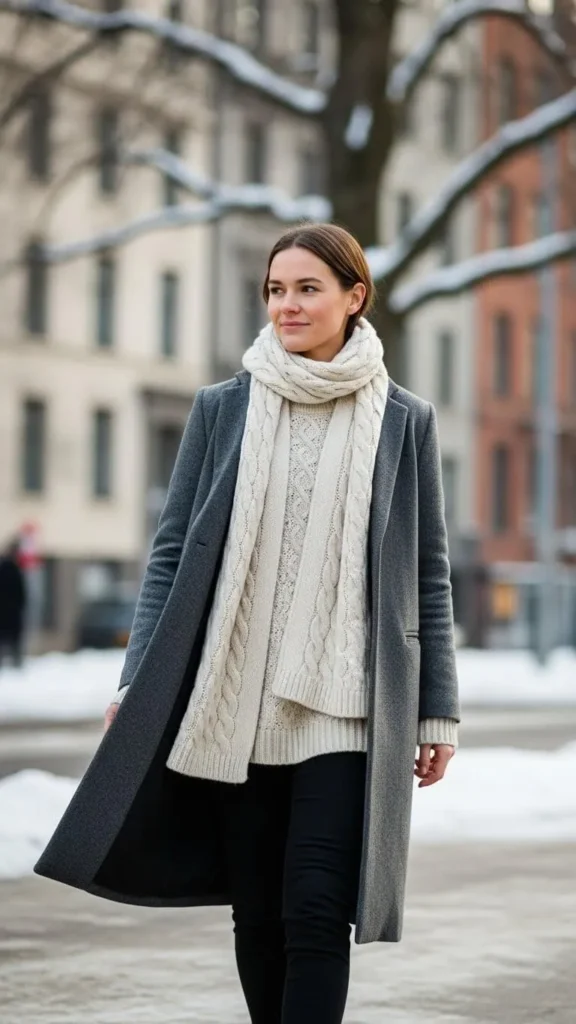
Understand the Purpose of Each Layer
The biggest mistake people make with winter outfits is wearing too many bulky pieces that all serve the same purpose. Instead, each layer should have a specific job.
Think of layering in three parts:
- Base layer: manages moisture and temperature
- Mid layer: provides warmth
- Outer layer: protects from wind, rain, or snow
When each layer does its job properly, you’ll stay warm without overheating.
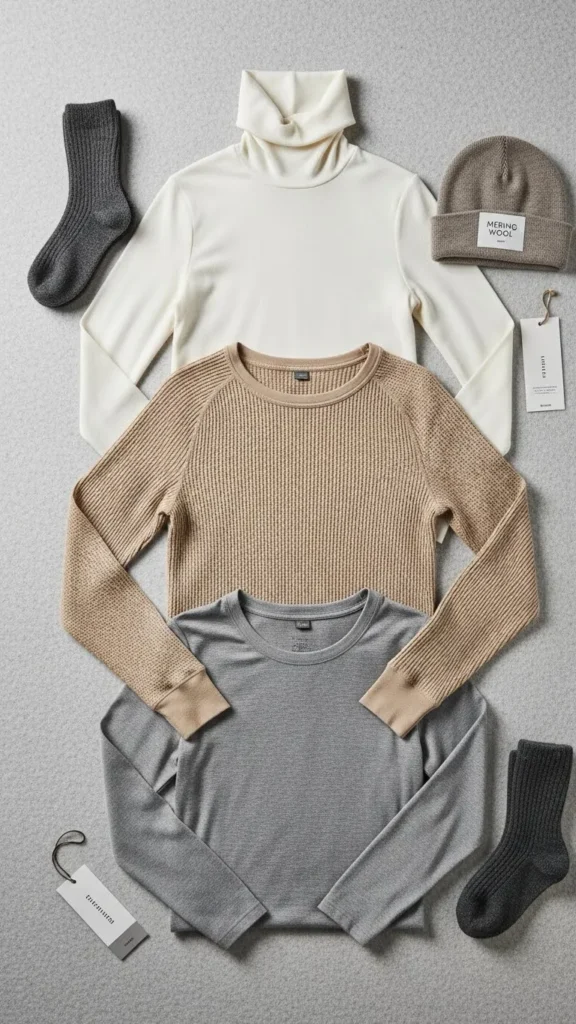
Choose Breathable Base Layers First
Your base layer sits closest to your skin, so it plays a major role in how comfortable you feel throughout the day. If this layer traps heat or moisture, overheating happens fast.
Look for base layers made from:
- Lightweight merino wool
- Moisture-wicking synthetics
- Thin ribbed cotton blends
Avoid thick cotton tees, which trap sweat and stay damp. A fitted long-sleeve top or lightweight turtleneck keeps you warm while still allowing heat to escape.
Pro tip: If you feel warm indoors, your base layer should still feel comfortable on its own.
Go Light on the Mid Layers
Mid layers are where warmth comes from—but more isn’t always better. One intentional mid layer often works better than two bulky ones.
Great mid-layer options include:
- Lightweight knit sweaters
- Fleece pullovers
- Thin wool cardigans
- Knit vests
Choose pieces you can easily remove or unzip if needed. A slim sweater over a base layer gives you warmth without making you feel suffocated.
If you’re commuting or moving a lot, skip heavy knits and opt for thinner fabrics with good insulation.

Pick an Outer Layer That Does the Heavy Lifting
Your outer layer should handle the cold so your inner layers don’t have to work overtime. This is key to preventing overheating indoors.
Look for outerwear that:
- Blocks wind
- Is insulated but not bulky
- Can be worn open without losing warmth
Long wool coats, insulated trench coats, or lightweight puffers are great options. When your coat is doing most of the warming, you can keep the layers underneath lighter and more breathable.

Use Accessories as Adjustable Warmth
Accessories are your secret weapon for temperature control. They add warmth when you need it—and can come off instantly when you don’t.
Smart winter accessories include:
- Scarves you can remove indoors
- Hats or beanies for outdoor warmth
- Gloves instead of bulky sleeves
Instead of wearing an extra sweater, add a scarf. Instead of thicker pants, wear warm socks. These small adjustments make a big difference without overheating your core.

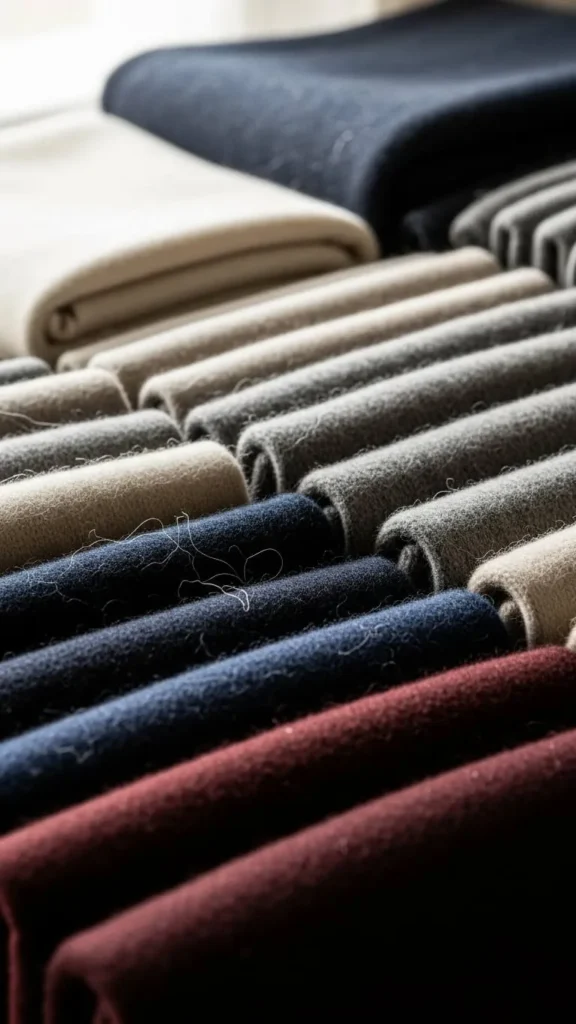
Pay Attention to Fabrics (Not Just Thickness)
Two sweaters can look the same but feel completely different once you’re wearing them. Fabric choice matters more than most people realize.
Fabrics that regulate temperature well:
- Merino wool
- Cashmere blends
- Performance synthetics
Fabrics that tend to trap heat:
- Heavy acrylic knits
- Thick polyester blends
When shopping or getting dressed, ask yourself: Will this breathe once I’m inside? If the answer is no, skip it.
Dress for Where You’ll Spend the Most Time
One simple rule: dress for the environment you’ll be in the longest, not just the cold outdoors.
If you’re:
- Commuting briefly but working indoors all day → lighter layers
- Spending hours outside → warmer mid and outer layers
- Moving between locations → removable layers
This mindset prevents over-layering “just in case” and keeps you comfortable all day.
Final Takeaway: Smart Layers Beat More Layers
Layering in winter isn’t about wearing more—it’s about wearing better. When each layer has a purpose, your outfit works with your body instead of against it.
Focus on breathable bases, light mid layers, strong outerwear, and removable accessories. Once you master that balance, winter dressing becomes easy, comfortable, and stress-free.
Save this guide for later, and the next time you get dressed for cold weather, you’ll know exactly how to layer without overheating.

Ava Reynolds is a fashion curator and digital stylist who believes great style starts with confidence, not just clothes. Through outfitpad, she shares outfit ideas, trend guides, and effortless looks that fit real life from casual coffee runs to polished nights out. When she’s not styling her next shoot, Olivia loves exploring local boutiques and capturing everyday fashion inspiration on the go.
Leave a Reply