

Winter outfits don’t have to be all about piling on layers and hoping for the best. The real secret to looking stylish in cold weather? Mixing textures. When done right, combining different fabrics adds depth, interest, and that “effortlessly cool” vibe—even if you’re wearing neutral colors head to toe.
If your winter outfits ever feel flat or boring, learning how to mix textures will instantly level them up. Let’s break it down in an easy, wearable way.
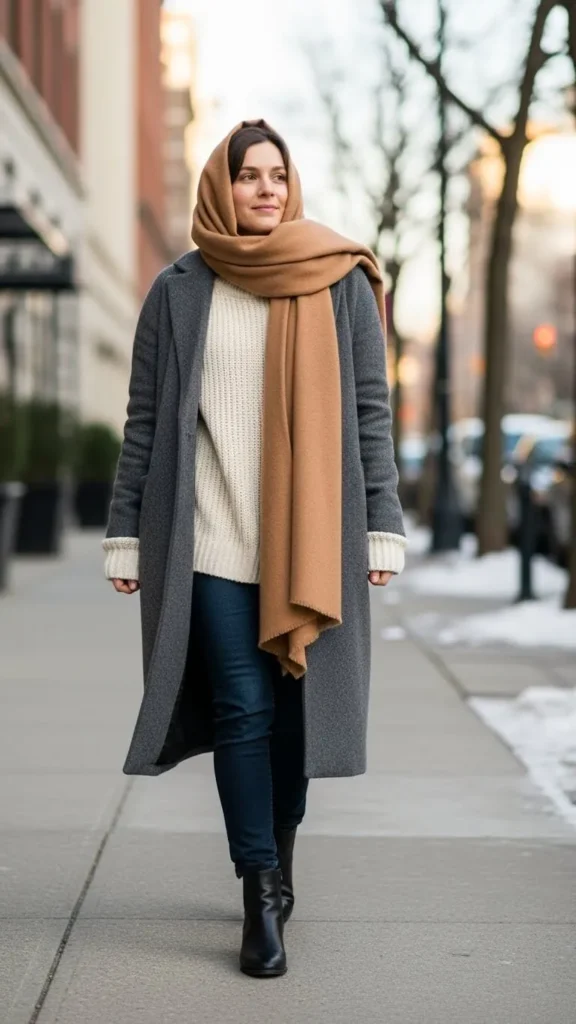
Start With a Strong Base Texture
Every great outfit starts with a foundation. In winter, that usually means one dominant texture that sets the tone.
Popular winter base textures include:
- Chunky knits (sweaters, cardigans)
- Wool (coats, trousers, skirts)
- Denim (jeans, jackets)
- Cotton basics (tees, turtlenecks)
Choose one main texture to lead your outfit, then build around it. For example, a thick knit sweater instantly creates a cozy vibe that other textures can complement.
This approach keeps your look intentional instead of overwhelming.
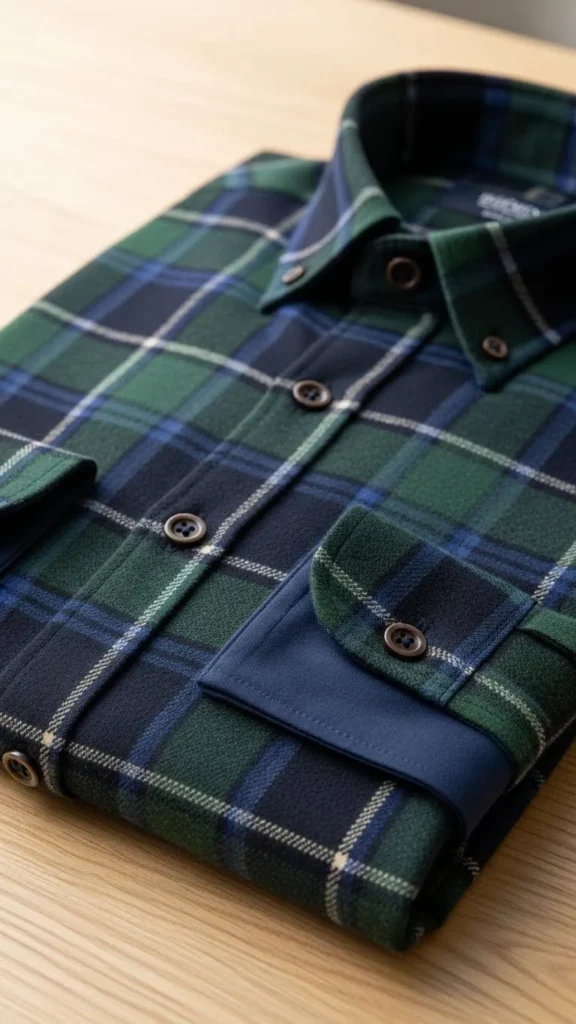
Combine Soft and Structured Fabrics
One of the easiest ways to mix textures like a pro is pairing soft fabrics with structured ones. This contrast creates balance and visual interest.
Try combinations like:
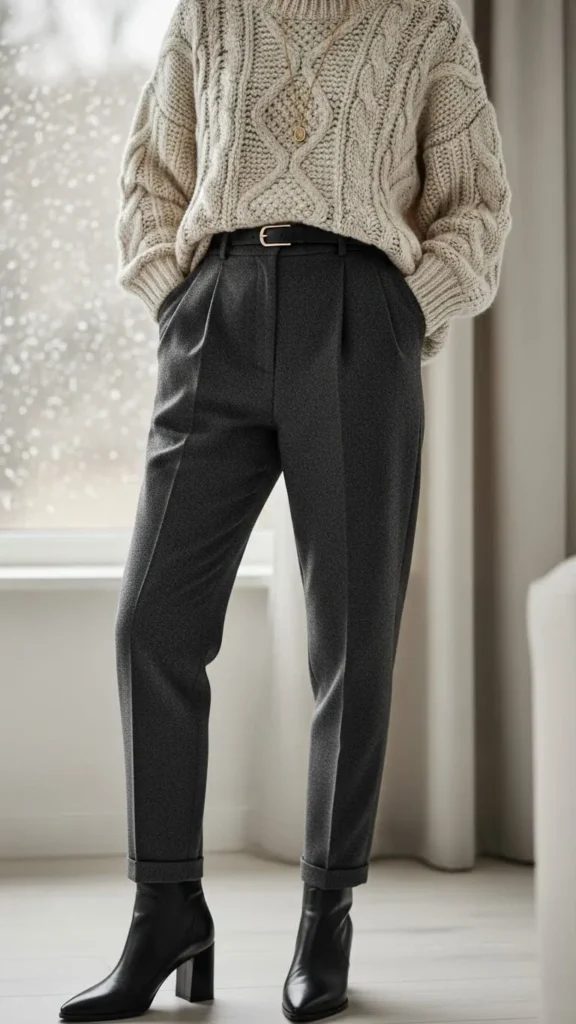
- A soft knit sweater + tailored wool pants
- A fleece or shearling jacket + straight-leg jeans
- A flowy skirt + structured blazer or coat
Soft textures keep things cozy, while structured pieces add polish—together, they create a fashion-forward look that feels effortless.
Add Contrast With Leather, Faux Leather, or Suede
If your outfit feels too soft or too casual, adding a tougher texture can instantly elevate it.
Great ways to use contrast:
- Faux leather leggings with an oversized sweater
- A suede jacket layered over a knit top
- Leather boots paired with wool or fleece pieces
These materials break up the softness of winter layers and give your outfit a modern edge—without trying too hard.

Layer Multiple Textures (But Keep the Colors Simple)
Layering is where texture mixing really shines—but color control is key. When you’re combining several fabrics, a simple color palette keeps everything cohesive.
Stick to:
- Neutrals like black, beige, gray, cream, or brown
- One main color with slight variations in tone
- Minimal patterns when possible
With colors kept calm, the textures become the star of the outfit instead of competing for attention.
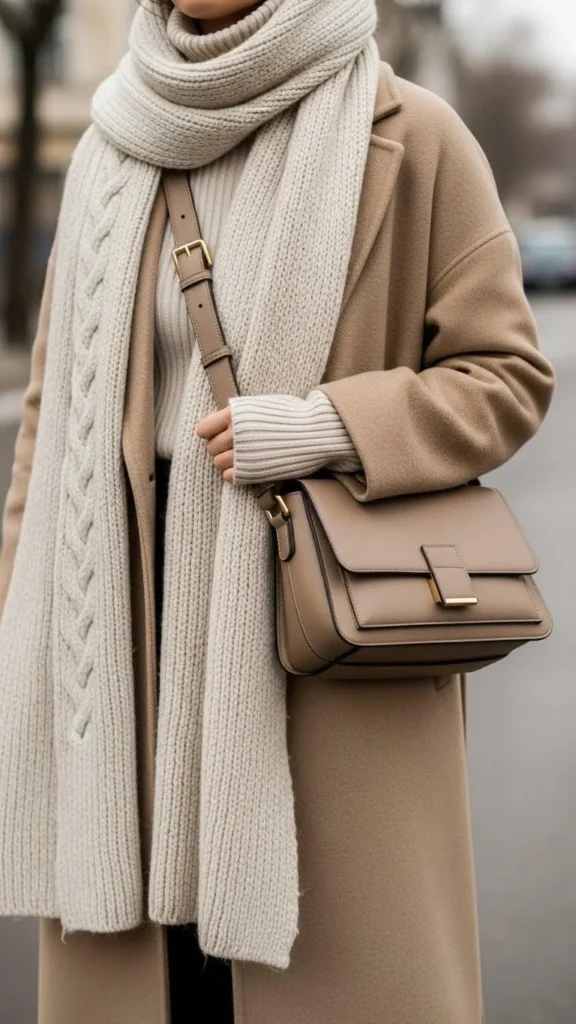
Don’t Forget Accessories and Small Details
Accessories are an easy, low-risk way to experiment with texture—especially if you’re new to mixing fabrics.
Texture-boosting accessories:
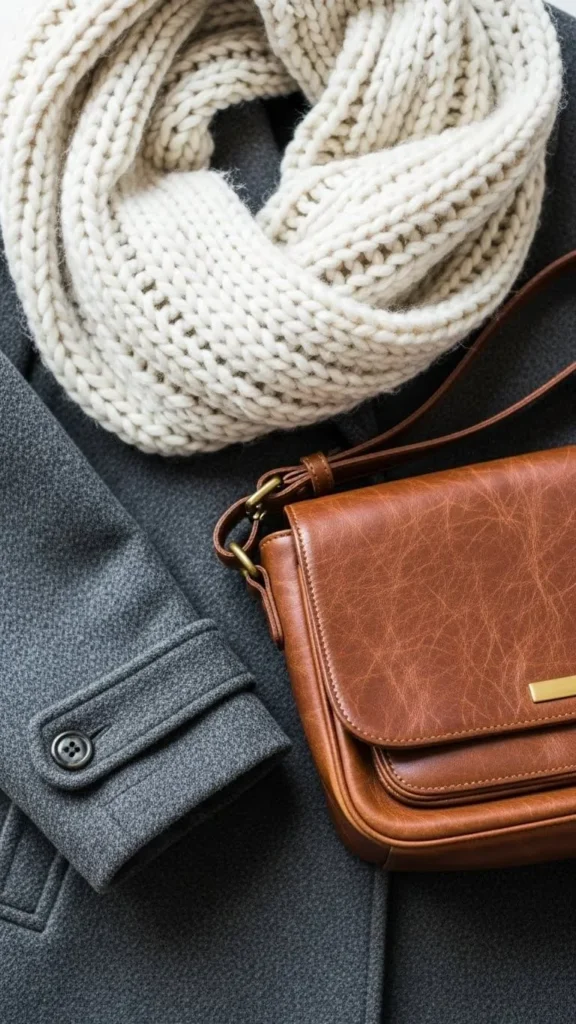
- Chunky knit scarves
- Wool beanies or berets
- Leather or suede bags
- Ribbed socks peeking out of boots
These details add richness to your outfit without requiring a full wardrobe overhaul.
Mix Casual and Elevated Pieces
Another trick fashion-forward outfits use all the time? Mixing “casual” textures with more elevated ones.
Examples:
- Hoodie + wool coat
- Knit sweater + satin or silky skirt
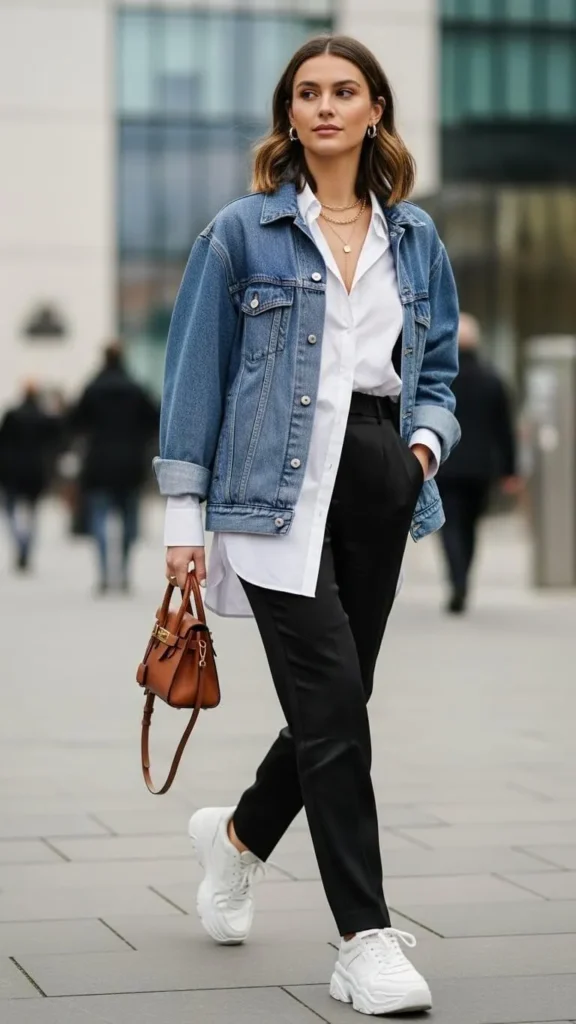
- Denim jeans + tailored blazer
This contrast makes your outfit feel current and styled, not overly dressed up or too relaxed.
Know When to Stop
Texture mixing is powerful—but too much can feel chaotic. If your outfit already has three strong textures, that’s usually enough.
Quick rule of thumb:
- 2–3 main textures = balanced
- 4+ bold textures = risky (unless you’re very intentional)
If something feels “off,” remove one textured element and simplify.
Final Takeaway: Texture Is the Secret to Winter Style
Mixing winter textures is one of the easiest ways to look fashionable without buying new clothes. By combining soft and structured fabrics, playing with contrast, and keeping colors simple, your outfits will instantly feel more intentional and elevated.
Experiment, have fun, and trust your eye.
Ava Reynolds is a fashion curator and digital stylist who believes great style starts with confidence, not just clothes. Through outfitpad, she shares outfit ideas, trend guides, and effortless looks that fit real life from casual coffee runs to polished nights out. When she’s not styling her next shoot, Olivia loves exploring local boutiques and capturing everyday fashion inspiration on the go.
Leave a Reply