

Winter hiking can feel magical—snow-dusted trees, quiet trails, crisp air—but only if you’re dressed right. One wrong layer can turn an adventure into a freezing struggle fast. The good news? Staying warm, dry, and safe is all about smart clothing choices, not bulky outfits.
Let’s break down exactly how to dress for winter hiking so you can enjoy the season instead of battling it.
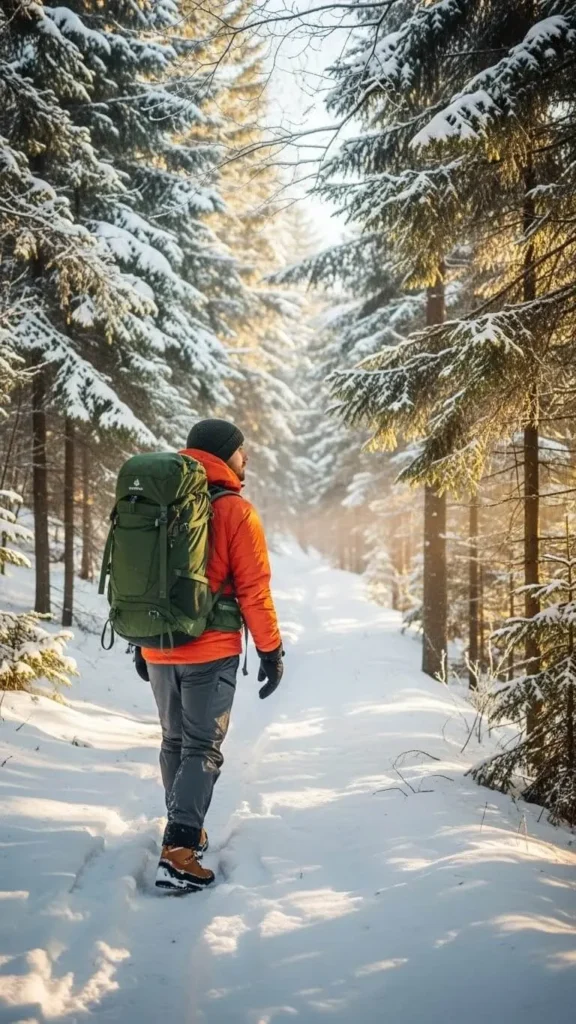
Understand the Winter Layering System
The secret to winter hiking comfort is layering. Instead of one heavy jacket, you wear multiple layers that work together to regulate body temperature.
Why layers matter:
- You warm up quickly when hiking uphill
- You cool down fast when stopping
- Weather can change suddenly
A good layering system lets you add or remove clothing as needed, keeping sweat from turning into dangerous cold.
[Image Prompt] A flat-lay of winter hiking layers neatly arranged: base layer top, fleece jacket, insulated jacket, waterproof shell, gloves, and hat.
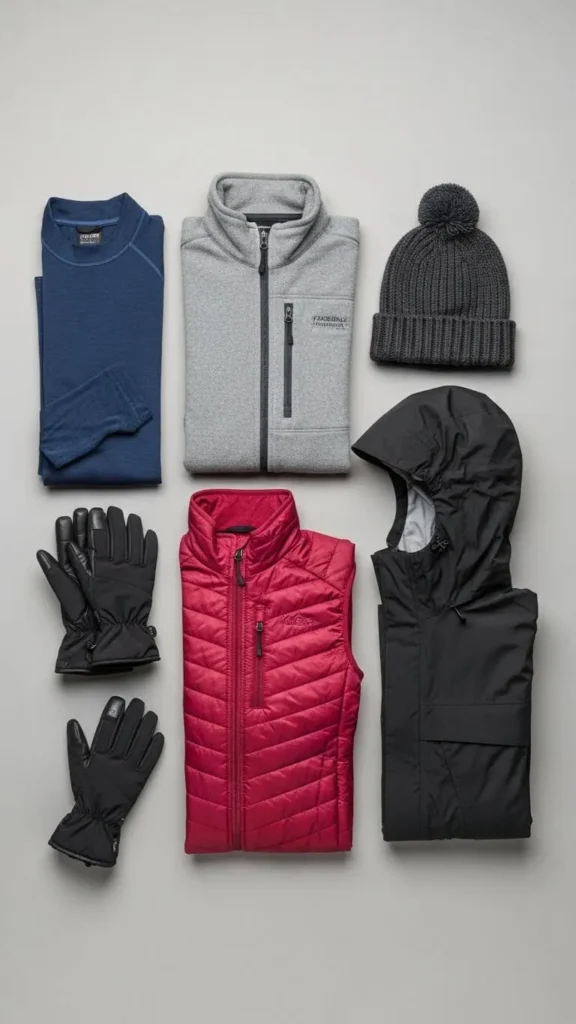
Step 1: Choose the Right Base Layer
Your base layer sits directly against your skin, and its job is moisture control.
What to look for:
- Moisture-wicking fabric
- Snug (but not tight) fit
- Quick-drying material
Best materials:
- Merino wool – warm even when wet, odor-resistant
- Synthetic fabrics – lightweight and affordable
Avoid:
- Cotton (it traps sweat and makes you cold)
Base layers come in different thicknesses. Choose lightweight for mild winter days and heavyweight for extreme cold.
Step 2: Add an Insulating Mid Layer
The mid layer is your warmth booster. It traps heat while still allowing airflow.
Popular mid-layer options:
- Fleece jackets
- Insulated pullovers
- Lightweight down or synthetic puffies
Tips for choosing:
- Fleece is great for active hikes
- Down is very warm but struggles when wet
- Synthetic insulation handles moisture better
You can even wear two mid layers on extra-cold days—just make sure you can still move comfortably.
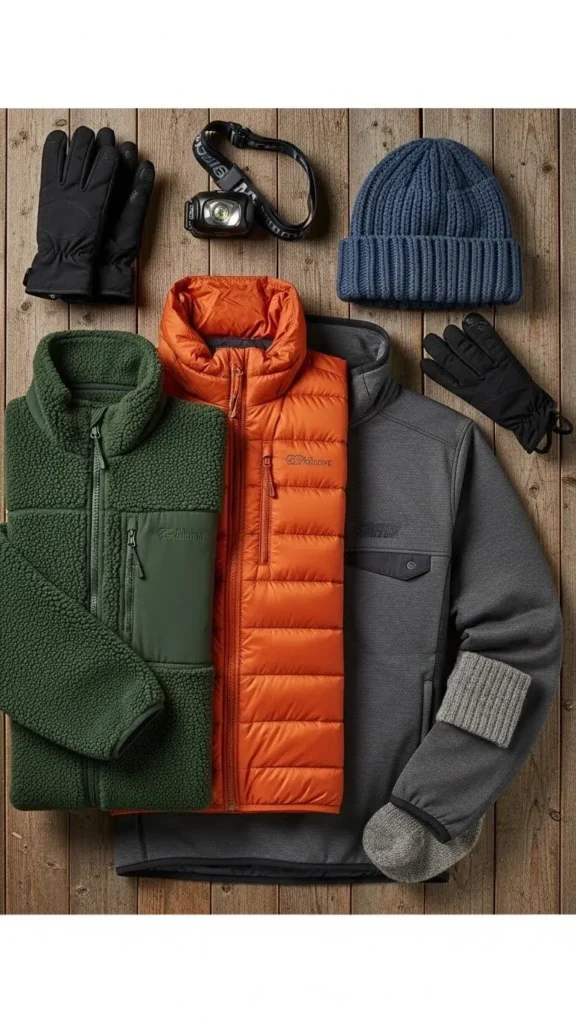
Step 3: Protect Yourself with an Outer Shell
Your outer layer shields you from wind, snow, and rain.
Look for a jacket that is:
- Waterproof or water-resistant
- Windproof
- Breathable with ventilation zippers
Features that help:
- Adjustable hood
- Longer hem for extra coverage
- Durable fabric for brush and rock contact
Your shell doesn’t need heavy insulation—its job is protection, not warmth.
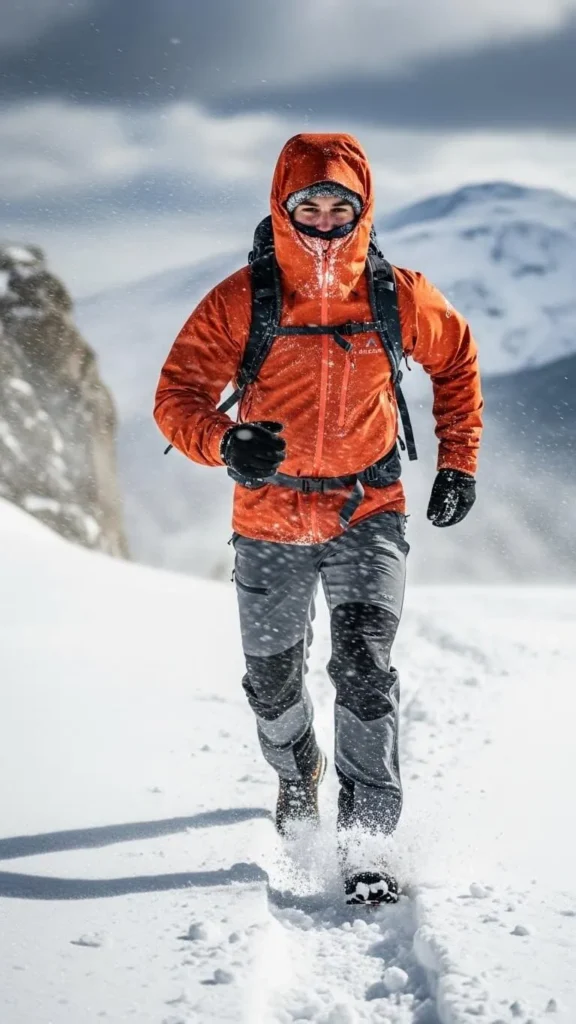
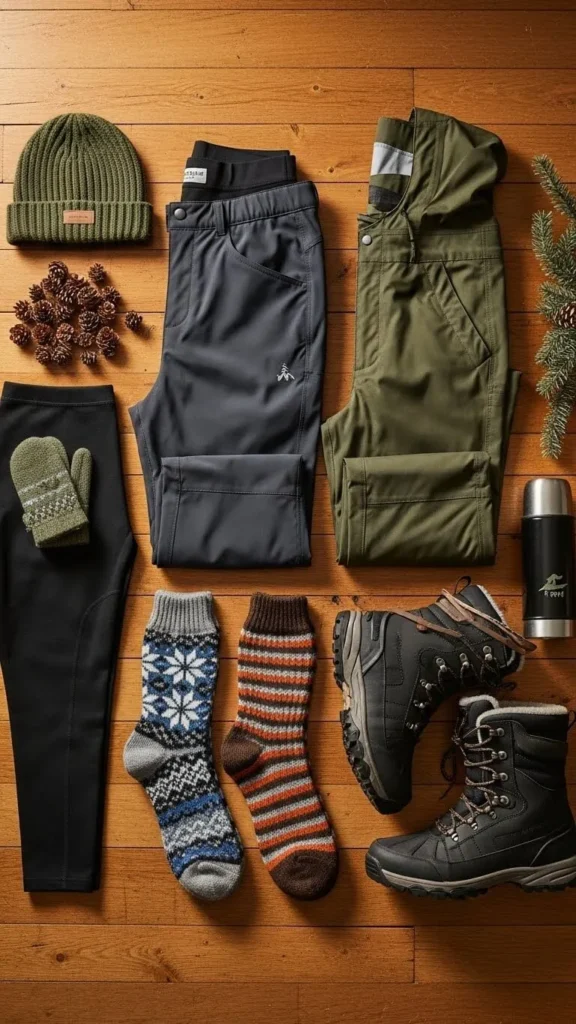
Don’t Forget Winter Hiking Bottoms
Your legs need layering too.
Best options include:
- Thermal leggings or long underwear
- Softshell hiking pants
- Waterproof pants for snow or wet conditions
Avoid jeans at all costs—they absorb moisture and lose heat quickly.
Accessories That Make or Break Your Comfort
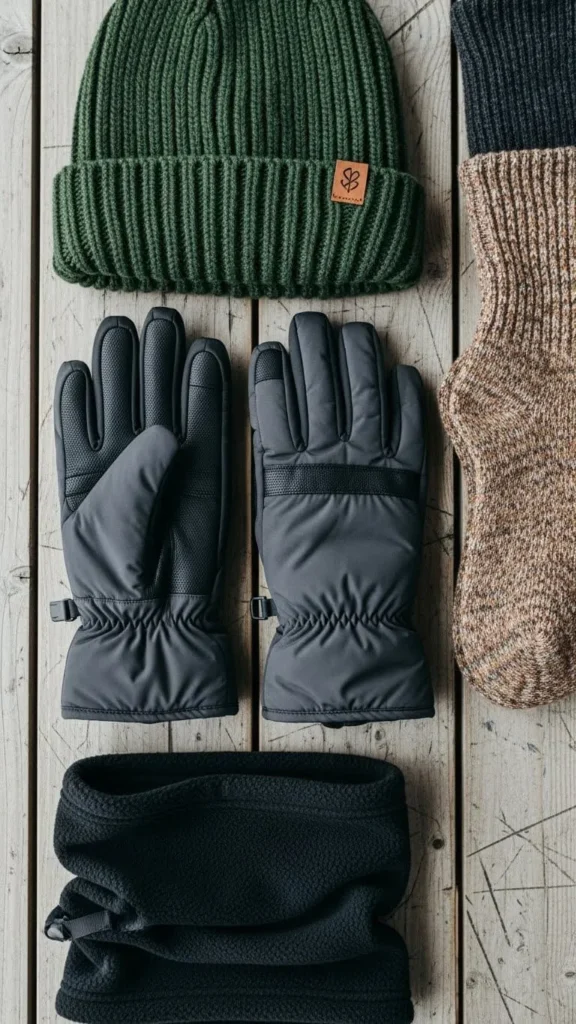
Small items can have a huge impact in winter conditions.
Must-have accessories:
- Warm hat or beanie (you lose heat through your head)
- Insulated gloves or mittens
- Neck gaiter or scarf
- Wool or synthetic socks (bring an extra pair)
Pro tip: Mittens are warmer than gloves, but gloves offer better dexterity. Some hikers bring both.
Choose the Right Winter Hiking Footwear
Cold feet can end a hike fast.
Look for boots that are:
- Waterproof
- Insulated
- Ankle-supportive
Other essentials:
- Thick hiking socks (no cotton)
- Gaiters to keep snow out
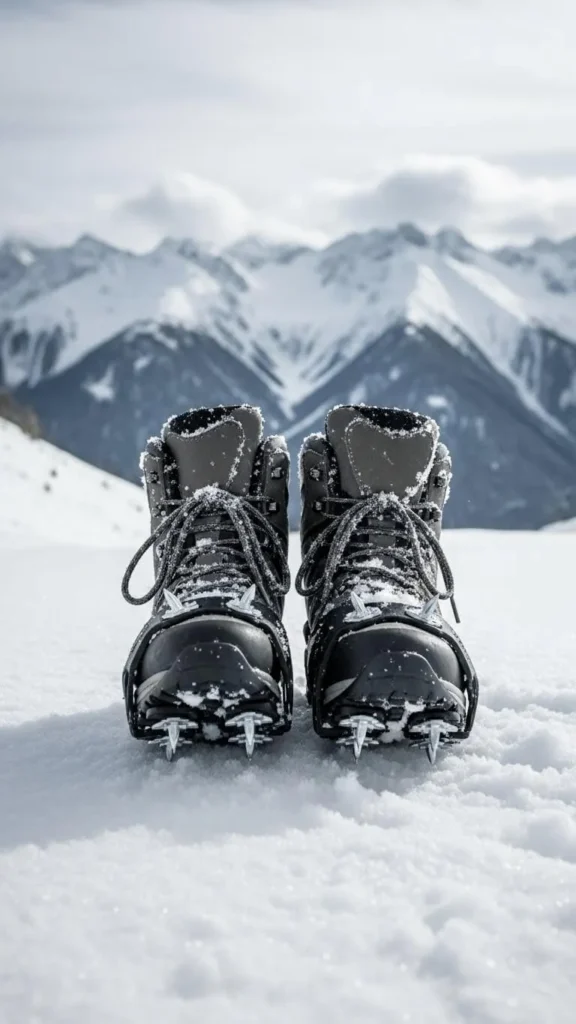
- Traction devices (like microspikes) for icy trails
Safety Tips for Dressing Smart in Winter
Clothing isn’t just about comfort—it’s about safety.
Keep these tips in mind:
- Start hiking slightly cool to avoid sweating
- Pack an extra warm layer in your backpack
- Change wet clothes immediately if possible
- Bright colors improve visibility in snowstorms
Being prepared helps prevent hypothermia and keeps your energy up.
Final Takeaway: Dress Smart, Hike Happy
Winter hiking doesn’t require fancy gear—just smart layering and thoughtful choices. When you dress for changing conditions, you stay warmer, safer, and more confident on the trail.

Ava Reynolds is a fashion curator and digital stylist who believes great style starts with confidence, not just clothes. Through outfitpad, she shares outfit ideas, trend guides, and effortless looks that fit real life from casual coffee runs to polished nights out. When she’s not styling her next shoot, Olivia loves exploring local boutiques and capturing everyday fashion inspiration on the go.
Leave a Reply