

Winter cold is one thing. Windy winter cold is a whole different battle.
That sharp wind cuts through layers, sneaks into collars, and makes even short walks feel brutal. If you’ve ever dressed “warm enough” but still ended up freezing, the wind was probably the real problem.
The good news? Staying warm in windy winter weather isn’t about piling on random clothes. It’s about smart layering, wind protection, and a few small details that make a big difference.
Let’s break it down step by step.

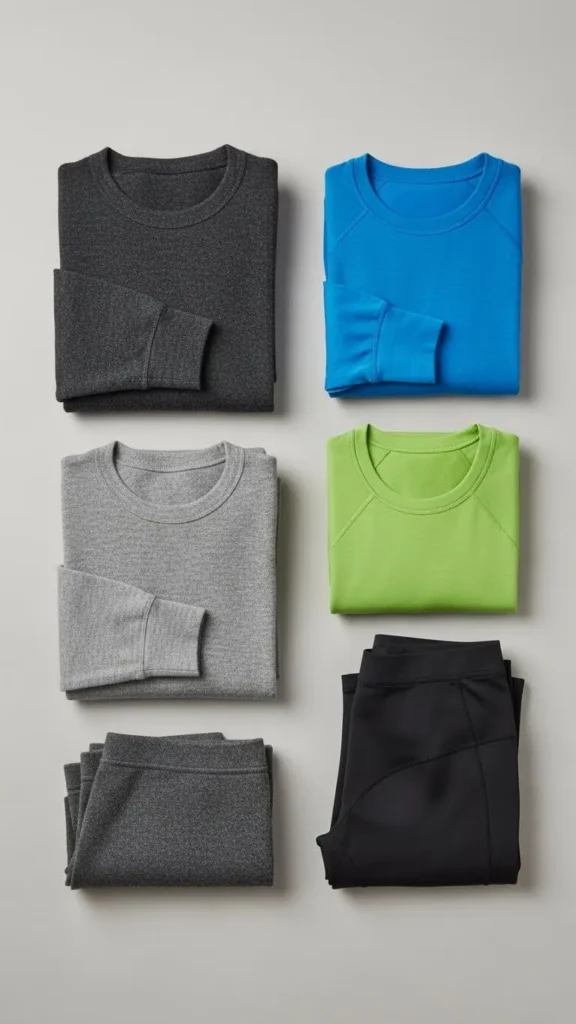
1. Start With the Right Base Layer
Your base layer sits closest to your skin, and it sets the foundation for warmth.
The goal here is heat retention and moisture control. If sweat stays on your skin, the wind will chill you fast.
What to look for in a base layer:
- Thermal tops and leggings
- Merino wool or synthetic fabrics
- Snug but comfortable fit
Avoid:
- Cotton. It traps moisture and loses heat quickly.
A good base layer doesn’t feel bulky. It feels light, warm, and dry even after moving around.
2. Add an Insulating Middle Layer
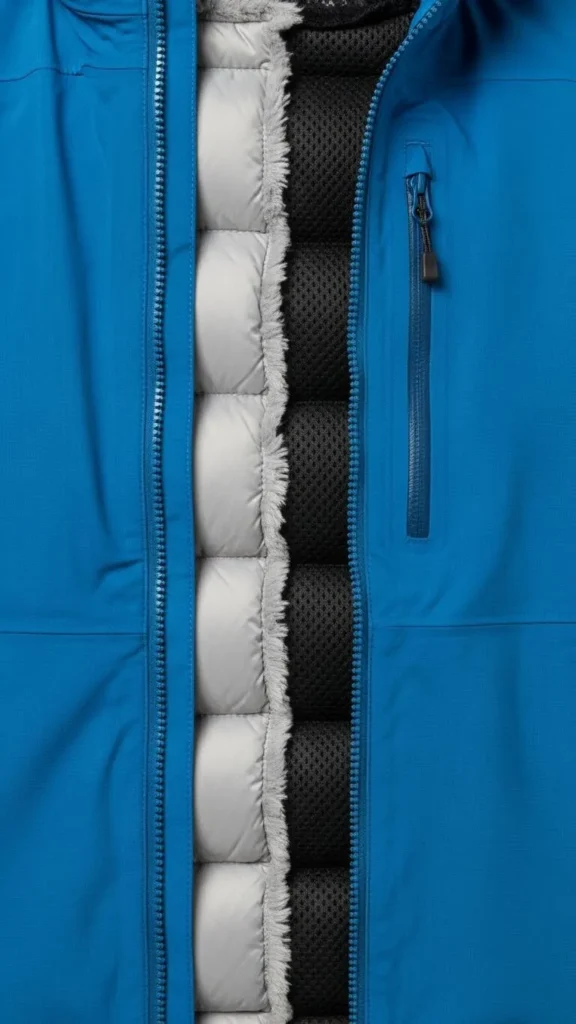
This layer’s job is simple: trap heat.
Think of it as the buffer between your body and the cold wind outside.
Great insulating options include:
- Fleece jackets
- Wool sweaters
- Lightweight down or synthetic puffer layers
If it’s extremely cold or windy, two thinner insulating layers often work better than one thick one. They trap air more effectively and give you flexibility indoors.
Quick tip:
If you can squeeze the insulation flat easily, it’s probably not warm enough for strong wind.
3. Choose a Windproof Outer Layer
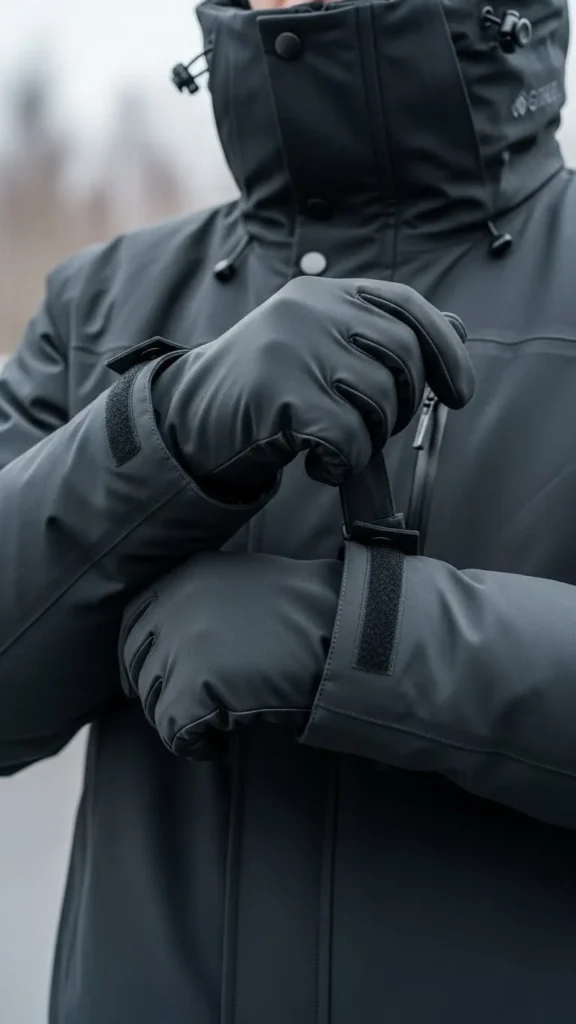
This is the most important piece for windy winter weather.
A warm outfit without wind protection will fail fast once gusts pick up.
Your outer layer should be:
- Windproof or wind-resistant
- Ideally water-resistant
- Long enough to cover your hips and lower back
Look for coats with:
- Tight cuffs or adjustable sleeves
- A high collar or storm flap
- A hood that stays in place
Puffer jackets can be warm, but if they aren’t windproof, cold air will push right through the seams.
4. Don’t Forget Your Extremities
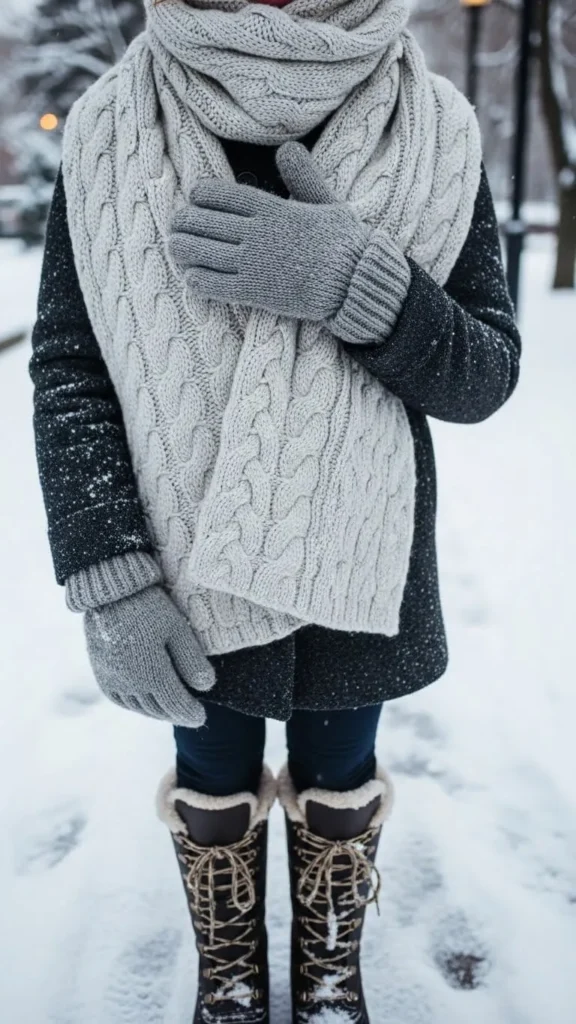
Wind loves exposed areas. Hands, feet, ears, and neck lose heat faster than you think.
Protect these first:
- Hands: Insulated, windproof gloves or mittens
- Feet: Wool socks and insulated boots
- Head: Beanies that cover ears fully
- Neck: Scarves or neck gaiters
A scarf isn’t just for style. Wrapping it snugly blocks wind from rushing down your coat and stealing body heat.
Pro move:
Tuck your scarf into your coat rather than letting it hang loose.
5. Layer Smart, Not Bulky
More layers don’t always mean more warmth. Poor layering traps cold air instead of heat.
Here’s a simple layering formula:
- Thin base layer
- Warm insulating layer
- Windproof outer shell
Make sure each layer fits comfortably over the previous one. Tight clothing restricts blood flow, which actually makes you colder.
If you feel stiff or can’t move easily, remove a layer and replace it with something lighter but warmer.

6. Use Wind-Blocking Accessories
Small upgrades can dramatically improve comfort in windy conditions.
Consider adding:
- Windproof face masks or balaclavas
- Ear warmers for milder days
- Insulated insoles for boots
Even switching to wind-resistant trousers or adding thermal leggings under jeans can stop cold gusts from cutting through your legs.
These details matter most when the wind feels relentless.
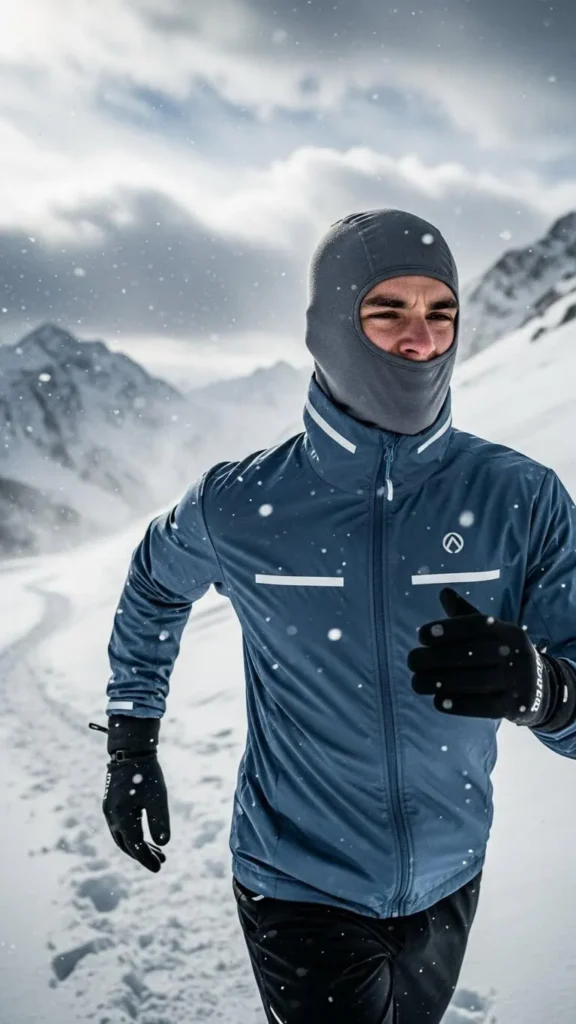
7. Adjust for Activity Level
Standing still in the wind feels colder than moving. Always dress based on what you’ll be doing most.
If you’ll be active:
- Lighter insulation
- Breathable layers
If you’ll be stationary:
- Extra insulation
- Thicker outerwear
Overdressing while moving leads to sweat, which turns icy fast once you stop.
Final Takeaway
Dressing warm in windy winter weather isn’t about one heavy coat. It’s about layers that work together.
Focus on:
- A moisture-wicking base
- Heat-trapping insulation
- A strong wind-blocking outer layer
- Covered hands, feet, neck, and ears
Get these right, and winter winds won’t stand a chance.
If this guide helped you rethink your winter outfits, save it for later or share it with someone who’s always cold in the wind.

Ava Reynolds is a fashion curator and digital stylist who believes great style starts with confidence, not just clothes. Through outfitpad, she shares outfit ideas, trend guides, and effortless looks that fit real life from casual coffee runs to polished nights out. When she’s not styling her next shoot, Olivia loves exploring local boutiques and capturing everyday fashion inspiration on the go.
Leave a Reply