

Winter walks are magical—crisp air, quiet streets, and that cozy feeling you only get this time of year. But let’s be honest: no one wants to waddle around wrapped in five bulky layers just to stay warm. The good news? You can dress warmly for winter walks without sacrificing comfort, movement, or style.
The secret is working smarter with what you wear—not adding more of it.
Below, you’ll find practical, easy-to-follow tips that help you stay warm, light, and comfortable all winter long.
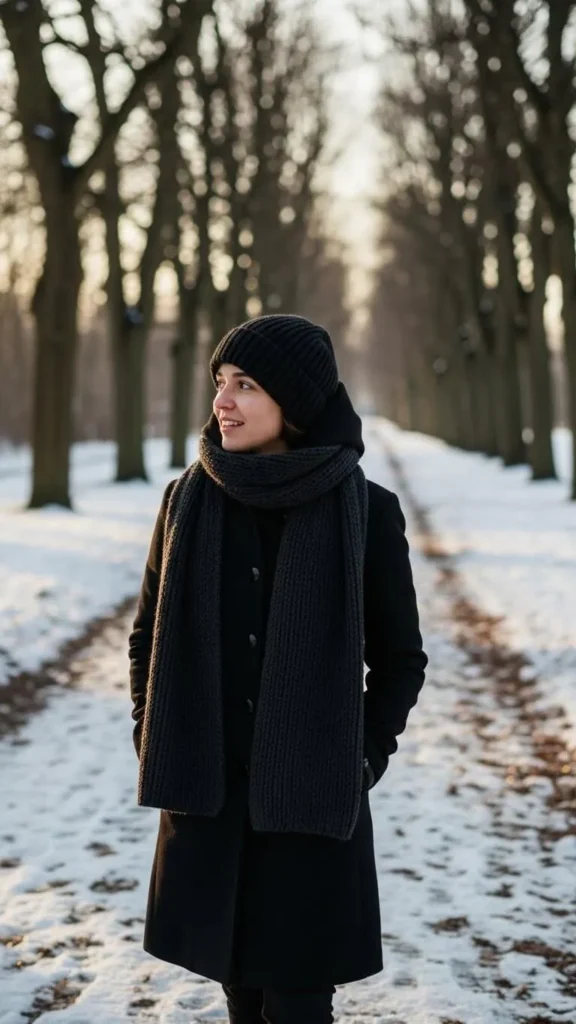
Start with Smart Base Layers (Not Thick Ones)
Warmth starts with what’s closest to your skin. A good base layer traps heat without adding bulk, which means everything else fits better on top.
What to look for in a base layer:
- Lightweight but insulating fabric
- Moisture-wicking to prevent sweat from cooling you down
- Close-fitting (but not tight)
Best options:
- Thermal tops and leggings
- Merino wool long sleeves
- Seamless performance fabrics
Avoid cotton—it traps moisture and makes you colder over time. One solid base layer often replaces two bulky ones.

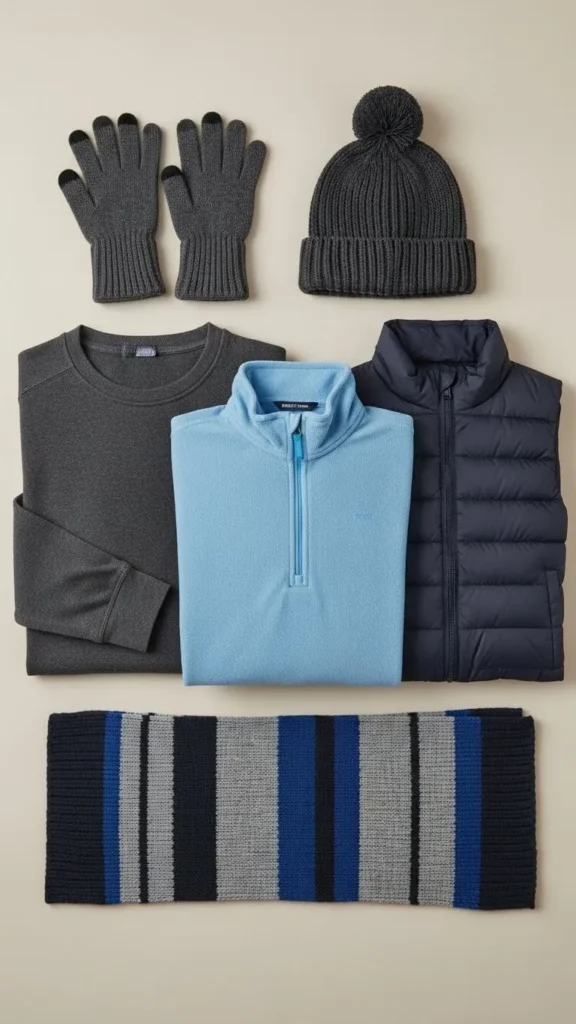
Choose Insulating Mid-Layers That Stay Slim
Your mid-layer is where warmth really builds, but this doesn’t mean you need a thick sweater that limits movement.
Slim but warm mid-layer ideas:
- Fleece pullovers
- Lightweight quilted vests
- Thin wool or cashmere sweaters
These materials trap heat efficiently while staying flexible and breathable—perfect for walking.
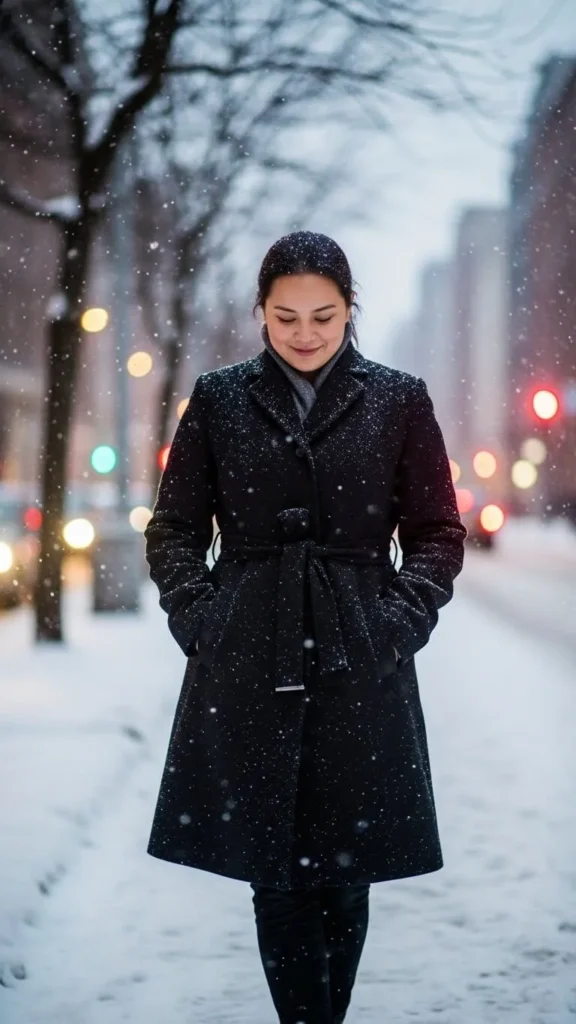
Invest in a Well-Fitted Winter Coat
A good coat replaces multiple layers. Instead of piling on sweaters, let your outerwear do the heavy lifting.
Features to look for:
- Insulated but not oversized
- Wind-resistant or windproof fabric
- Hip-length or longer for added warmth
- Adjustable cuffs or waist to trap heat
Puffer coats, wool-blend coats with lining, or insulated parkas can all work—as long as they fit properly and aren’t overly bulky.
Don’t Ignore Your Legs
Cold legs can ruin a winter walk fast, but layering jeans over leggings isn’t the answer.
Better options:
- Thermal leggings under pants
- Fleece-lined leggings
- Softshell or insulated walking pants
Look for stretch and flexibility so you can move easily without feeling restricted.
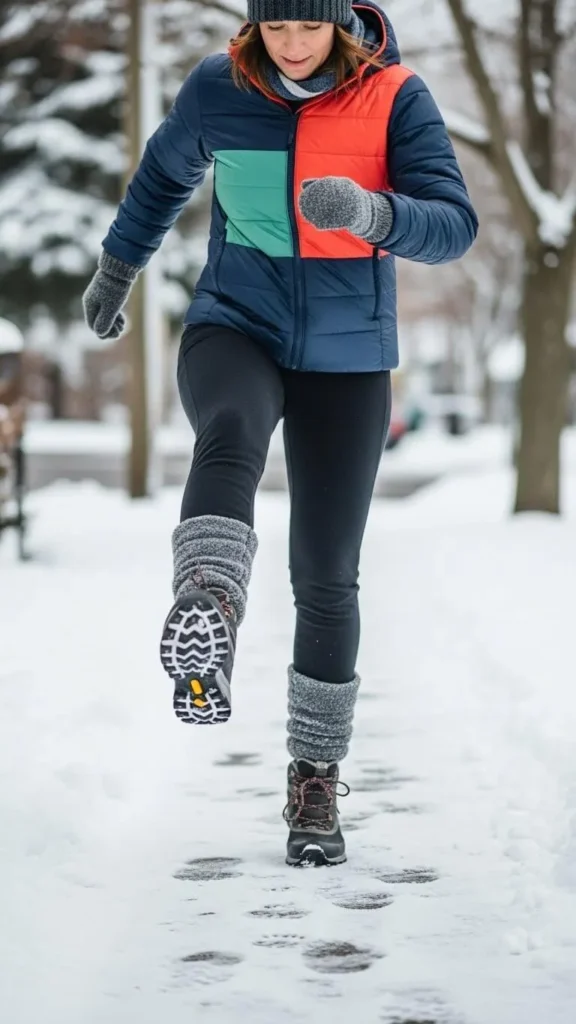
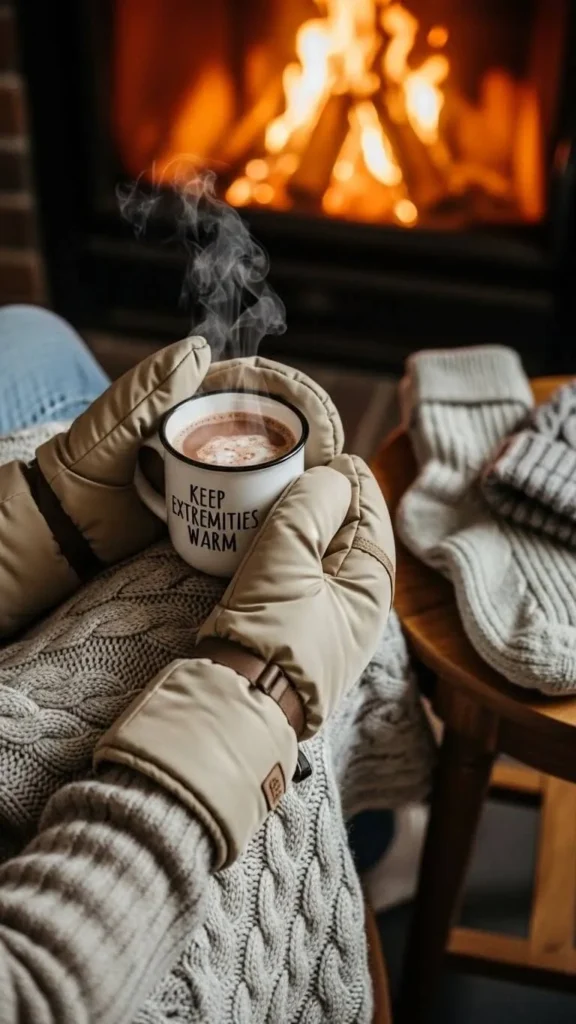
Keep Extremities Warm (This Makes a Huge Difference)
You lose a lot of heat through your hands, feet, and head. Keeping these areas warm lets you wear lighter layers everywhere else.
Must-have winter walk accessories:
- Insulated gloves or mittens
- Thick wool or thermal socks
- Beanie or ear-warming headband
- Neck gaiter or scarf
A warm hat alone can make your whole body feel warmer—seriously.
Pick the Right Shoes for Warmth and Movement
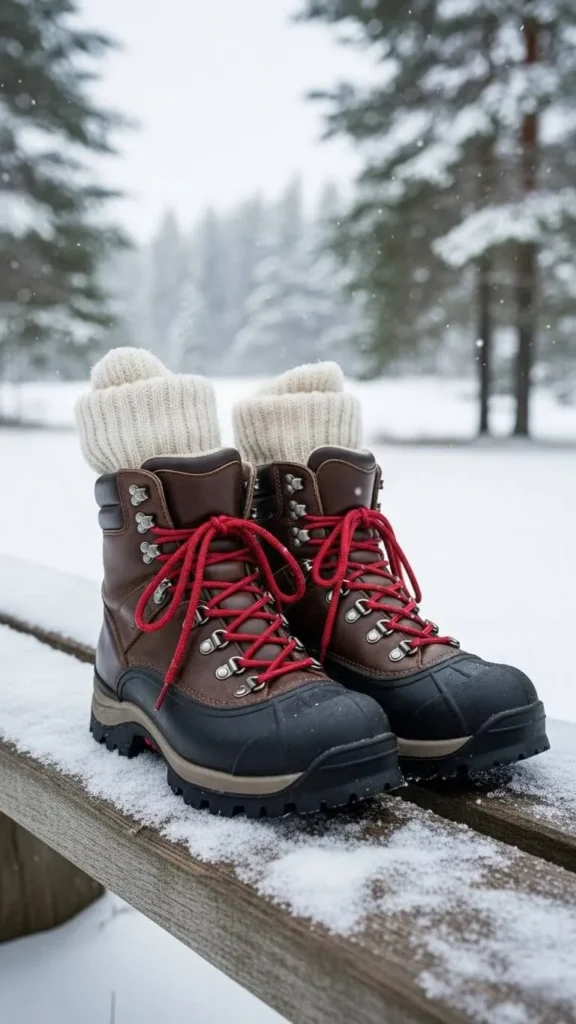
Shoes aren’t just about style in winter—they’re about insulation and stability.
Look for walking shoes or boots with:
- Insulated lining
- Water-resistant or waterproof material
- Thick soles to block cold ground
- Enough room for warm socks
Avoid overly tight shoes, which restrict circulation and make your feet colder.
Use Layers That Work Together
Instead of stacking random items, think in systems. Each layer should have a job.
Your winter walk formula:
- Lightweight base layer (heat + moisture control)
- Slim insulating mid-layer (warmth)
- Structured outer layer (wind + weather protection)
- Accessories (heat retention)
This approach keeps you warm without feeling stiff or overstuffed.
Adjust for Movement, Not Standing Still
Walking generates body heat, so you don’t need as many layers as you would if you were standing still.
Pro tip:
- Dress so you feel slightly cool when you step outside
- You’ll warm up after 5–10 minutes of walking
Overdressing leads to sweating, which actually makes you colder later.
Final Takeaway: Warmth Is About Strategy, Not Bulk
Dressing warm for winter walks doesn’t mean piling on layers—it means choosing the right ones. With smart fabrics, good-fitting outerwear, and warm accessories, you’ll stay cozy, comfortable, and free to move.
Next time you head out, try upgrading your layers instead of adding more—and enjoy winter walks the way they’re meant to be enjoyed.
Ava Reynolds is a fashion curator and digital stylist who believes great style starts with confidence, not just clothes. Through outfitpad, she shares outfit ideas, trend guides, and effortless looks that fit real life from casual coffee runs to polished nights out. When she’s not styling her next shoot, Olivia loves exploring local boutiques and capturing everyday fashion inspiration on the go.
Leave a Reply