

Oversized winter sweaters are cozy, comfy, and everywhere—but let’s be honest, they can sometimes feel more shapeless blob than effortlessly chic. The good news? You don’t have to give up your favorite slouchy knits to look put-together. With a few simple styling tricks, oversized sweaters can be flattering, stylish, and totally intentional.
Whether you love chunky knits, thrifted men’s sweaters, or trendy oversized pullovers, this guide will show you how to wear them with confidence—without looking boxy.
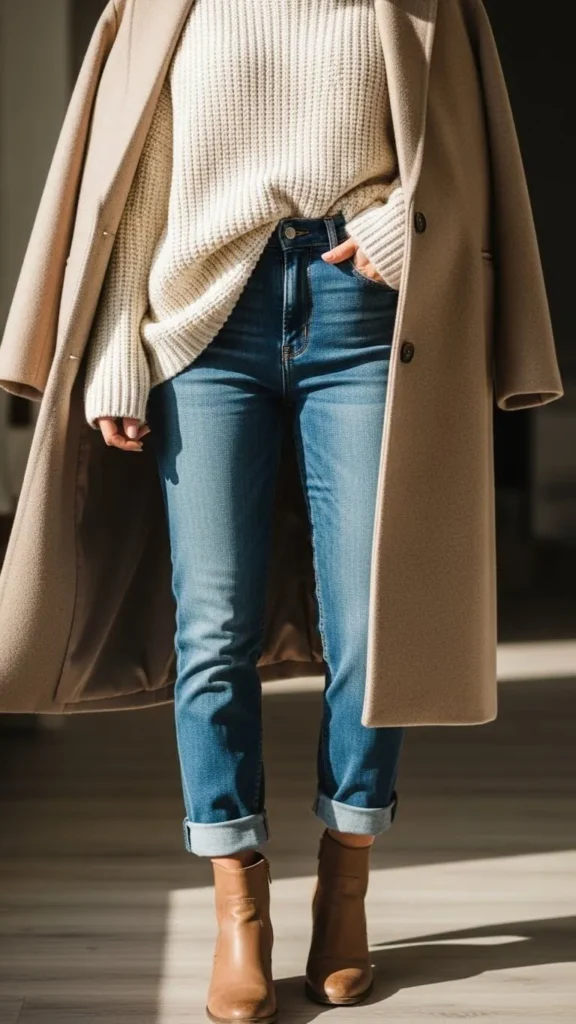
Start With the Right Fit (Yes, It Still Matters)
“Oversized” doesn’t mean any size will do. A sweater that’s too big in the wrong places can overwhelm your frame.
Look for oversized sweaters that:
- Fit well at the shoulders (no extreme drooping)
- Have intentional volume, not extra length everywhere
- Aren’t overly thick if you’re smaller-framed
If you’re shopping, try going one size up instead of several. Thrifted sweaters can work beautifully—just check that the sleeves and neckline don’t swallow you whole.
A well-chosen oversized sweater sets the foundation for a flattering outfit.

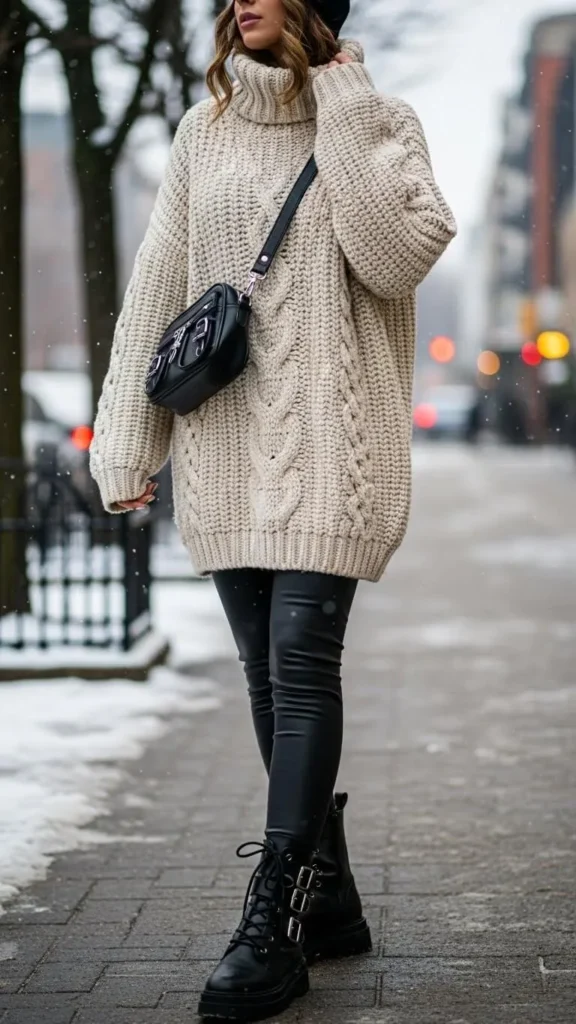
Balance Volume With Fitted Bottoms
The easiest way to avoid looking boxy is to balance proportions. When your top is loose, your bottoms should add structure.
Great bottom options include:
- Skinny or straight-leg jeans
- Leggings or faux leather leggings
- Tailored trousers
- Mini skirts with tights
This contrast keeps your outfit from looking bulky and helps define your shape—even under layers.
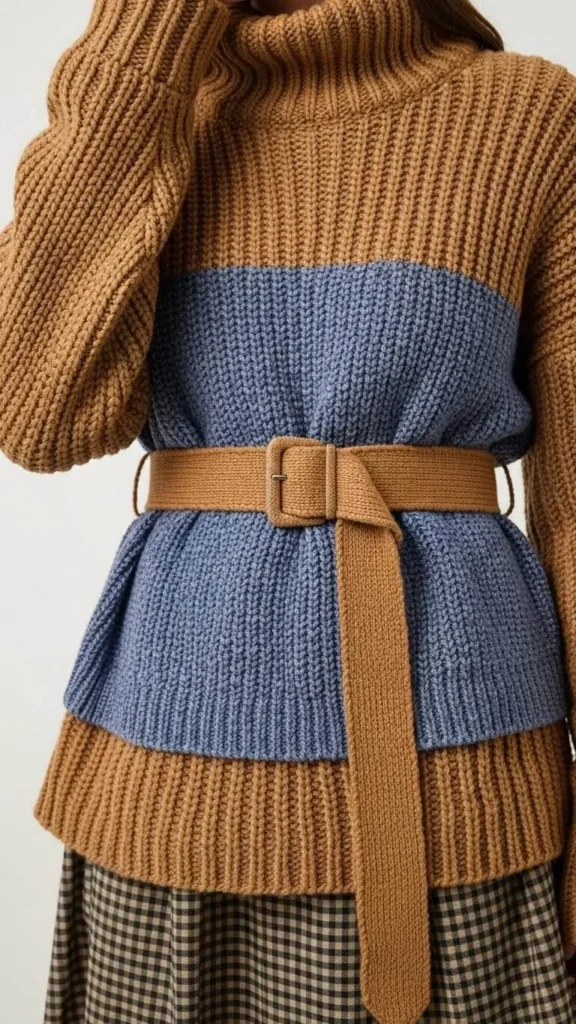
Use Styling Tricks to Create Shape
You don’t need to wear tight clothes to show shape. Small styling details can make a big difference.
Try these easy techniques:
- Half-tuck or front-tuck your sweater into jeans or trousers
- Use a belt over the sweater at the waist
- Do a French tuck for a casual, Pinterest-worthy vibe
- Slightly roll or push up the sleeves to show wrist
These tricks instantly break up the bulk and give your outfit a more intentional silhouette.
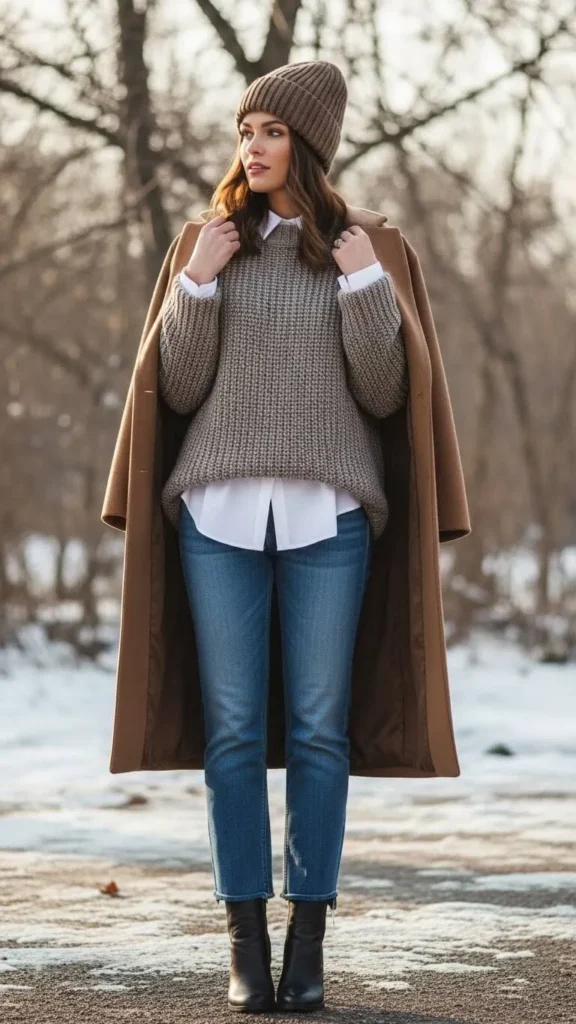
Layer Smartly (Not Heavily)
Layering adds depth—but too many bulky layers can make things look messy. The goal is sleek layers under or over your sweater.
Smart layering ideas:
- Wear a collared shirt or turtleneck underneath for structure
- Add a long coat or tailored jacket on top
- Let shirt hems or collars peek out slightly for visual interest
Structured outerwear, like wool coats or fitted puffers, helps offset the softness of an oversized knit.
Choose Fabrics and Necklines Wisely
Some sweaters naturally drape better than others. Fabric and neckline play a huge role in how boxy—or flattering—a sweater looks.
More flattering options:
- Soft knits with good drape instead of stiff yarns
- V-necks, mock necks, or wide crew necks to open up the chest area
- Slightly cropped oversized sweaters (especially with high-waisted bottoms)
If a sweater feels stiff and bulky, try styling it with more structure elsewhere—or save it for ultra-casual days.
Finish With the Right Shoes and Accessories
The details pull everything together. Shoes and accessories help ground an oversized sweater outfit and keep it stylish.
Go for:
- Ankle boots or chunky sneakers for balance
- Knee-high boots with sweater dresses or mini skirts
- Simple accessories like a crossbody bag, scarf, or beanie
Avoid overly large bags if your sweater is already voluminous—smaller accessories keep the look balanced.
Final Takeaway: Cozy Can Still Be Flattering
Oversized winter sweaters don’t have to hide your style. With the right fit, balanced proportions, and a few smart styling tricks, you can stay warm and look put-together all season long.
Play with tucks, layers, and textures until you find what feels right for you.

Ava Reynolds is a fashion curator and digital stylist who believes great style starts with confidence, not just clothes. Through outfitpad, she shares outfit ideas, trend guides, and effortless looks that fit real life from casual coffee runs to polished nights out. When she’s not styling her next shoot, Olivia loves exploring local boutiques and capturing everyday fashion inspiration on the go.
Leave a Reply